

Cold Water for the Soul
31st January, 2025
I can remember enjoying our unheated outdoor swimming pool at home as often as we could as children and have always enjoyed swimming in rivers, so cold water is my friend.
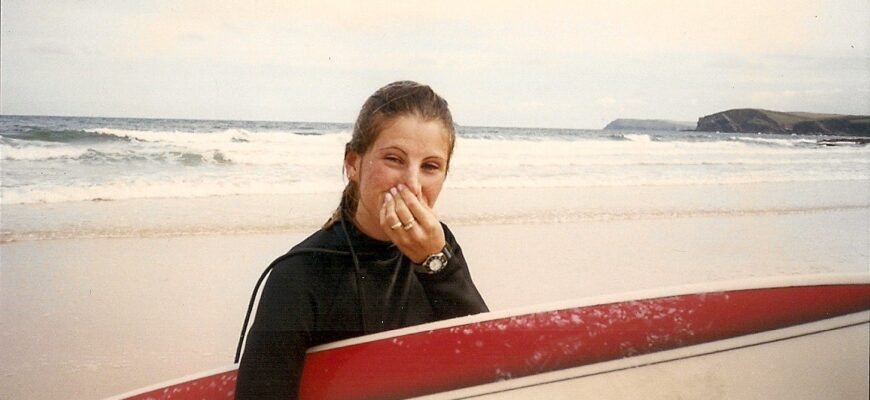
I surfed year round in my teens and early twenties, and valued the improvements in the technology of winter wetsuits. Through my thirties I shifted to body surfing and in my forties discovered hand-planing and tidal pool immersion. The first 100 days of blue in 2014 encouraged more friends to continue their daily dip through the whole year having acclimatised during the warmer summer months and many have carried on since.
These days, more often than not a swimsuit is my preference for a short immersion, but in deep winter and going for an extended bodysurfing session, or free-diving adventure I am not averse to a wetsuit. Cold water immersion is not about ego… it’s about enjoying being with the water and at the same time being mindful of how your body responds.
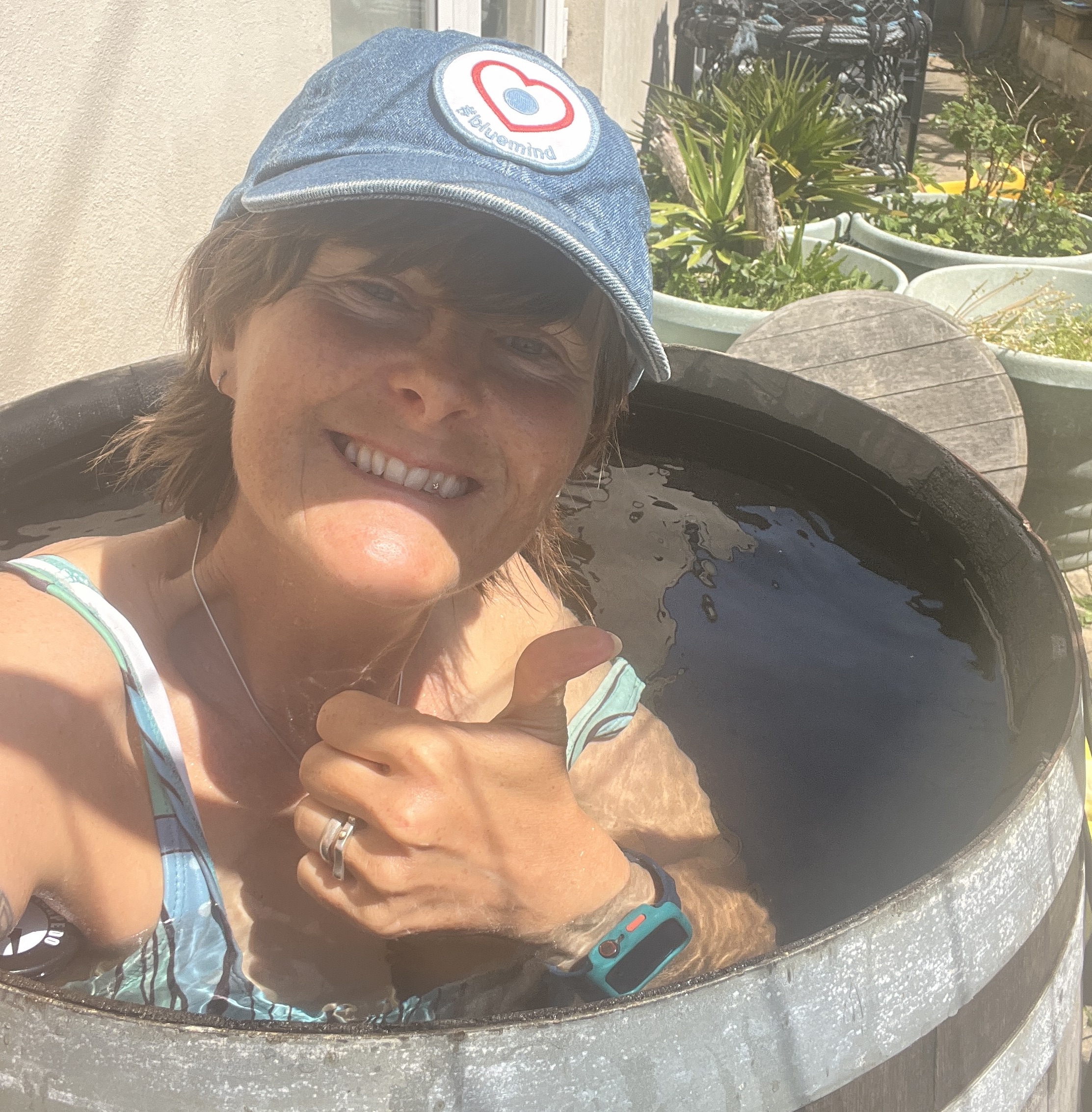
I enjoy cold plunge pools and invested in a water barrel at home – a repurposed old whiskey barrel that sits on my patio as a plunge pool. The word “plunge pool” can be misleading though… the idea with these is not to suddenly immerse yourself … but instead, the aim is to “ease into and out of them”. I talk a little about “barrelling” and the many benefits of both cold water immersion and contrast therapy in my book The Healing Power of Water.
Enjoying connecting with water and encouraging wellness is our aim – so in this blog, I thought it worth highlighting the importance of staying safe.
Cold water whilst restorative carries very real risk and I become nervous when I see people who are not accustomed to the cold “jumping” into cold water on the first warm day of spring. Even for those who regularly enjoy cold water immersion, jumping into cold water (that you have not immediately prior to… acclimatised to) is not advised. For clarity… average UK and Ireland sea temperatures are just 12°C and anything below 15°C is defined as cold water (rivers can be a lot colder).
RNLI information and advice is as follows:
Entering the water unexpectedly or suddenly, cold water shock can seriously impact your breathing and movement. Shifts in blood flow increase your heart rate making it work harder and your blood pressure goes up. Cold water shock can therefore cause heart attacks, even in the relatively young and healthy.
Additionally rapid cooling of the skin by cold water causes an involuntary gasp and breathing can become uncontrollable contributing to a feeling of panic, increasing the chance of inhaling water directly into the lungs.
Prolonged exposure to cold water also carries risk of hypothermia… so even when you have become accustomed to time in cold water, remember to leave the cold water before you start to feel too comfortable in it.
The RNLI have a “Float to Live” campaign worth exploring!
Cold Water is therapeutic:
If you are still keen to explore the restorative qualities of respectfully working with cold water as a healer, taking a measured and sensible approach can be transformative.
In terms of partnering with cold water from a therapeutic perspective… follow a slow and steady approach, gradually and gently introducing your body to cold water. The relationship is after all between you and your water… NOT a comparison to others, or a “challenge to beat our personal best”.
ALWAYS – Before beginning any new relationship with cold water, take medical advice. You are responsible for your own health and safety. Watch this video and read Professor Mike Tipton’s research paper too.
Always enter any new health activity from an informed position, whilst I advocate for cold water therapy, your decisions are yours.